Financial Benefits of Electric Car Rentals
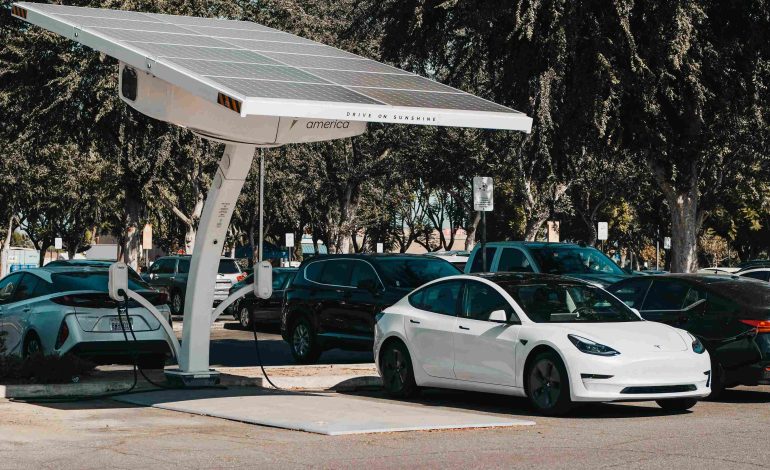
Electric vehicles are becoming increasingly popular as drivers look for more efficient and environmentally friendly ways to travel. While purchasing an electric car can require a significant financial commitment, electric car rentals offer another way to experience the benefits of electric mobility without the long-term costs associated with ownership.
For individuals and businesses, renting an electric vehicle can provide several financial advantages. Lower fuel expenses, potentially reduced maintenance costs, flexible rental periods, and the ability to avoid vehicle depreciation are some of the reasons why electric car rentals are attracting more attention.
Understanding the financial benefits of electric car rentals can help you decide whether renting an electric vehicle is the right option for your transportation needs.
What Are Electric Car Rentals?
Electric car rentals allow customers to use an electric vehicle for a specific period without purchasing it. Depending on the rental company, customers may be able to rent an electric car for a day, week, month, or longer.
Unlike traditional car ownership, renting does not require you to purchase the vehicle outright. You pay for the agreed rental period and return the vehicle according to the terms of the rental agreement.
This flexibility can be especially useful for people who want to test electric mobility before purchasing an EV or those who only need a vehicle temporarily.
1. Lower Fuel Costs
One of the most noticeable financial benefits of electric vehicles is the potential reduction in energy costs.
Electric cars use electricity instead of petrol or diesel. Depending on local electricity rates, charging options, vehicle efficiency, and fuel prices, charging an EV can cost less per kilometre than fueling a conventional vehicle.
For rental customers who drive frequently, these savings can become more noticeable over time.
For example, someone using an electric rental car for commuting and regular city travel may spend less on energy than they would with a comparable petrol vehicle.
However, actual savings depend on where and how the vehicle is charged. Public charging prices can vary, so it is useful to compare home, workplace, and public charging costs before estimating your savings.
2. Reduced Maintenance Expenses
Electric vehicles generally have fewer moving parts than conventional internal-combustion vehicles.
A fully electric vehicle does not require engine oil changes, spark plug replacements, or many of the other maintenance services associated with traditional petrol engines.
For rental customers, this can provide an indirect financial advantage because routine maintenance is often handled by the rental provider according to the rental agreement.
This means customers can potentially enjoy the vehicle without having to manage many routine maintenance tasks themselves.
It is still important to check the rental agreement to understand exactly which maintenance services are included.
3. No Vehicle Depreciation
Depreciation is one of the largest costs associated with owning a vehicle.
A car generally loses value over time due to factors such as age, mileage, condition, market demand, and new vehicle technology.
When you rent an electric car, you do not own the vehicle. Therefore, you are not directly responsible for its resale value or depreciation.
This can make renting attractive for people who do not want to take on the financial risk associated with owning a rapidly developing technology.
Instead of worrying about what the vehicle will be worth several years later, you simply return the car when the rental period ends.
4. Lower Upfront Financial Commitment
Buying an electric vehicle can require a substantial upfront investment.
Even when financing is available, buyers may need to provide a down payment and commit to monthly loan payments for several years.
Electric car rentals can provide an alternative for people who want access to an EV without purchasing one.
Instead of committing a large amount of capital to a vehicle, you pay according to the rental agreement.
This can be particularly useful for individuals who want to maintain greater financial flexibility.
5. An Affordable Way to Test Electric Vehicles
Some drivers are interested in electric vehicles but are unsure whether an EV fits their lifestyle.
Questions about charging, driving range, charging infrastructure, and everyday usability can make purchasing a new EV feel like a major decision.
Renting provides an opportunity to experience an electric vehicle before making a long-term investment.
You can test the vehicle during your normal daily routine, including commuting, shopping, family trips, and longer journeys.
After gaining practical experience, you can make a more informed decision about whether purchasing an EV makes financial sense for you.
6. Flexible Rental Periods
Another financial advantage of electric car rentals is flexibility.
Depending on the provider, customers may have access to daily, weekly, or monthly rental options.
This means you can select a rental period based on your actual transportation requirements.
For example, a person visiting a city for several weeks may not need to purchase a vehicle. A monthly electric car rental can provide transportation without creating a long-term ownership commitment.
Businesses can also rent electric vehicles temporarily when they need additional transportation capacity.
7. Potentially Lower Operating Costs for Businesses
Businesses that operate vehicles regularly may spend significant amounts on fuel and maintenance.
Electric rental vehicles can potentially reduce some operating expenses, particularly when vehicles are driven frequently and charging costs are favorable.
Companies can also avoid purchasing additional vehicles when their transportation needs are temporary.
For example, a business might rent electric vehicles for:
- Temporary projects
- Corporate events
- Employee transportation
- Business travel
- Promotional campaigns
- Short-term fleet requirements
This allows businesses to increase transportation capacity without necessarily expanding their owned fleet.
8. Predictable Transportation Budget
Budget predictability is another potential benefit of renting.
When you own a vehicle, unexpected costs can arise from repairs, maintenance, depreciation, and other expenses.
A rental agreement can make certain transportation costs easier to anticipate because the rental price is established in advance.
However, renters should always review the complete agreement. Additional costs may apply for mileage, charging, damage, insurance, late returns, traffic violations, or other services.
Understanding these terms allows you to create a more accurate transportation budget.
9. Reduced Risk From Rapid EV Technology Changes
Electric vehicle technology continues to develop.
Battery technology, charging speeds, driving ranges, software, and vehicle features can change significantly over time.
For someone who purchases an EV, technological changes can affect the perceived value of their vehicle.
Renting can reduce this concern because you are not committing to owning the same vehicle for many years.
When your rental period ends, you can choose a newer vehicle if one better suits your needs and budget.
10. Potential Business Image Benefits
Although this is not a direct financial saving, using electric rental vehicles can support a company’s sustainability image.
Businesses increasingly communicate their environmental goals to customers, employees, and partners.
Using electric vehicles for business transportation can demonstrate an interest in cleaner mobility.
For some companies, this can support marketing and corporate sustainability initiatives while avoiding the capital expense of purchasing an electric fleet.
How to Calculate the Financial Benefits
Before renting an electric vehicle, it is useful to calculate the total expected cost.
Consider the following:
Rental cost + charging cost + insurance + additional fees = estimated total cost
Then compare this figure with the expected cost of a comparable petrol or diesel rental.
You should consider:
- Expected kilometres
- Electricity cost
- Petrol or diesel prices
- Rental rate
- Insurance
- Charging fees
- Mileage limits
- Additional charges
- Parking and toll expenses
This comparison will provide a clearer picture of whether an electric rental is financially suitable for your particular situation.
Electric Car Rental vs Buying an EV
Renting and buying serve different purposes.
Buying an EV may be more appropriate for someone who drives regularly and wants to keep the vehicle for many years.
Renting can be more suitable for someone who wants flexibility, needs a vehicle temporarily, or wants to test electric driving before purchasing.
The best choice depends on your driving habits, budget, expected ownership period, and financial goals.
Tips for Saving Money With an Electric Car Rental
To maximize the financial benefits of electric car rentals, consider the following tips:
Compare Rental Packages
Do not select a rental based only on the advertised daily or monthly price. Compare the complete package, including insurance, mileage, charging, and other fees.
Check Charging Costs
Understand where you can charge the vehicle and how much charging is likely to cost.
Choose the Right Vehicle
A larger premium EV may provide more features but can cost significantly more to rent. Select a vehicle that matches your actual transportation needs.
Review Mileage Limits
If the agreement includes a mileage limit, estimate your expected driving distance before signing.
Inspect the Vehicle
Check the vehicle’s condition before accepting it and report existing damage according to the rental company’s procedures.
Understand the Contract
Read the rental agreement carefully and confirm all additional charges before making your reservation.
Conclusion
The financial benefits of electric car rentals can make EVs an attractive transportation option for individuals and businesses that want flexibility without the financial responsibilities of ownership.
Potential savings can come from lower energy costs, reduced maintenance requirements, avoiding depreciation, and lower upfront financial commitments. Renting also gives drivers an opportunity to experience electric mobility before deciding whether to purchase an EV.
However, the actual financial advantage depends on the rental price, charging costs, mileage, insurance, and contract terms. Comparing the complete cost of an electric rental with alternative transportation options is the best way to determine whether it makes financial sense.
As electric mobility continues to grow, electric car rentals can provide a practical way to experience modern transportation while maintaining greater control over your short-term vehicle expenses.